
How Effective Is Nexplanon? Success Rate, Benefits, and What to Expect
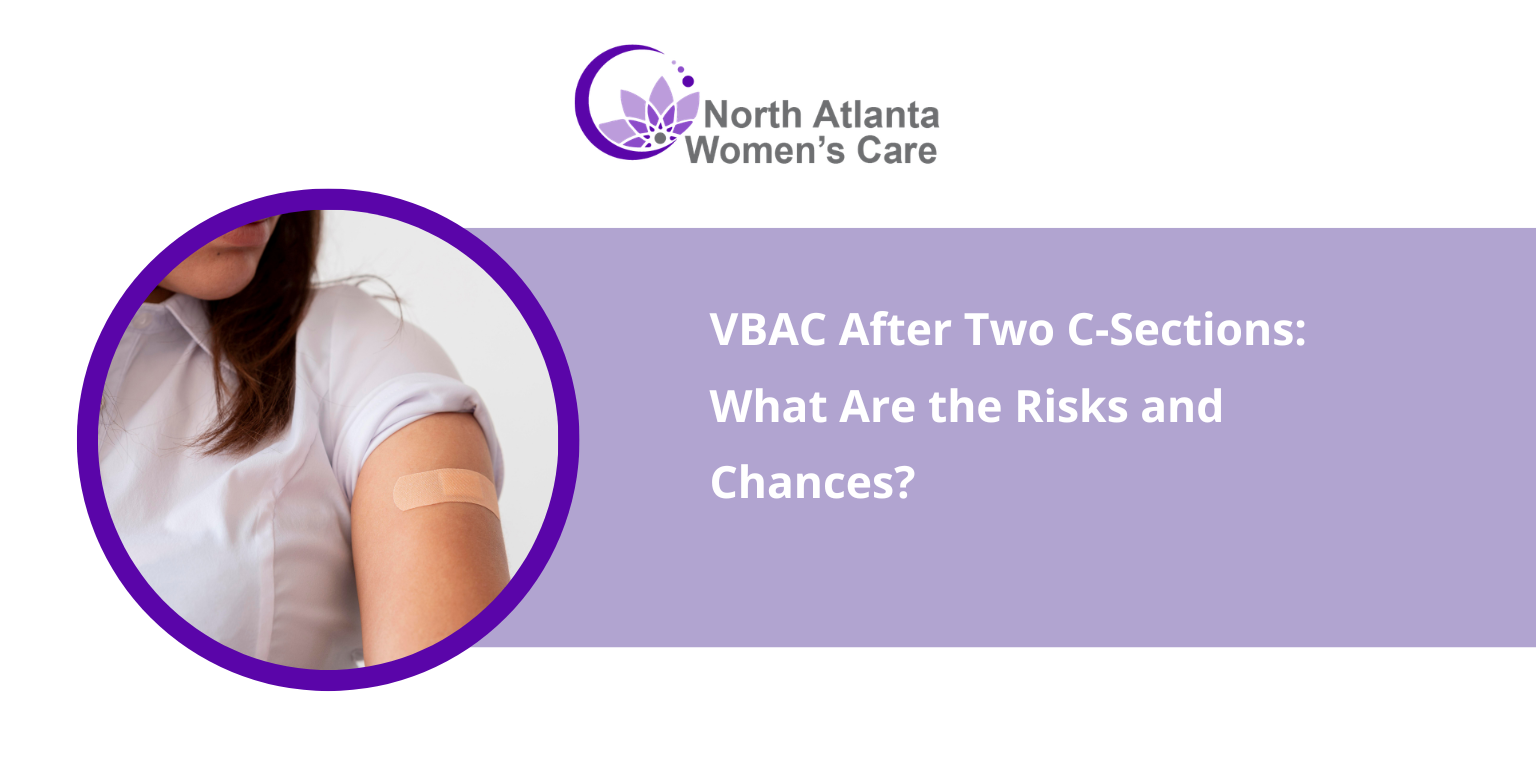
Choosing birth control isn’t just about preventing pregnancy, it’s about finding something that fits your routine, your body, and your peace of mind. If you’ve ever worried about missing a pill or relying on methods that require perfect timing, a long-acting option like Nexplanon can feel like a practical alternative.
Nexplanon is designed to work quietly in the background, offering consistent protection without daily effort. But how effective is it really? And what does it feel like to live with it day to day?
Here’s a detailed look at its effectiveness, success rate, benefits, and what you can expect.
What Is Nexplanon Birth Control?
Nexplanon is a small, soft implant placed under the skin of your upper arm. Once inserted, it steadily releases a low dose of progestin, a hormone that prevents pregnancy in multiple ways.
It works by:
- Stopping ovulation (so no egg is released)
- Thickening cervical mucus to block sperm
- Making the uterine lining less suitable for implantation
One insertion offers up to five years of protection, making it one of the longest-lasting reversible birth control methods available.
How Effective Is Nexplanon?
If effectiveness is your top priority, Nexplanon is hard to beat. It is over 99% effective, making it one of the most reliable birth control methods available.
To put that into perspective:
- Birth control pills are about 91% effective with typical use
- Condoms are around 85% effective
- IUDs are also over 99% effective
The key advantage of Nexplanon over pills or condoms is that it eliminates human error. Once it's in place, it works automatically, no daily reminders, no missed doses, no interruptions.
Nexplanon Success Rate and Failure Rate
The Nexplanon success rate exceeds 99%, meaning it prevents pregnancy in nearly all cases when used correctly.
Its failure rate is less than 1%, which is extremely low.
So, what does “failure rate” actually mean? It refers to the small percentage of people who may still become pregnant while using the method. With Nexplanon, that risk is minimal, making it a highly dependable option for long-term contraception.
Can You Get Pregnant on Nexplanon?
It’s a fair question, and one many people ask.
While Nexplanon is incredibly effective, no birth control method is 100% foolproof. Pregnancy is very rare but can happen in unusual cases, such as:
- The implant was not inserted correctly
- It has passed its 3-year effectiveness period
- Certain medications interfere with the hormone
For most users, however, Nexplanon provides strong and consistent protection.
Benefits of Nexplanon
Nexplanon isn’t just about effectiveness, it’s also about convenience and peace of mind. Here’s why many women choose it:
- Long-term protection for up to 5 years
- No daily pills or routine upkeep
- Extremely effective (over 99%)
- Quickly reversible, fertility returns soon after removal
- Discreet and hassle-free
- Suitable for women who cannot use estrogen-based birth control
What to Expect After Nexplanon Insertion
During the Procedure
The insertion process is simple and quick. Your provider will numb your upper arm and place the implant just under the skin. The entire procedure typically takes only a few minutes.
After the Procedure
After insertion, you might notice:
- Mild soreness or bruising
- Slight swelling at the site
These symptoms usually go away within a few days, and most people return to normal activities almost immediately.
Nexplanon Side Effects to Be Aware Of
Like any hormonal birth control, Nexplanon may come with some side effects, but they’re not the same for everyone.
Common ones include:
- Changes in menstrual bleeding (irregular or lighter periods)
- Headaches
- Mood changes
- Possible weight changes
While these are generally mild, it’s important to pay attention to how your body responds and consult a provider if anything feels concerning.
Who Should Consider Nexplanon?
Nexplanon could be a great fit if you:
- Want long-term, low-maintenance birth control
- Prefer a “set it and forget it” option
- Cannot take estrogen-based contraceptives
- Value effectiveness and convenience
When Nexplanon May Not Be the Right Choice
Although Nexplanon works well for many, it may not be ideal if you:
- Have certain underlying medical conditions
- Are sensitive to hormonal methods
- Prefer non-hormonal birth control options
A consultation with a healthcare provider can help you weigh your options.
When Should You Talk to a Doctor?
Getting professional guidance ensures you make the right choice for your body and lifestyle. You should talk to a doctor:
- Before getting Nexplanon
- If you experience side effects
- When planning removal or pregnancy
Move Forward with the Right Birth Control Choice at NAWC
Nexplanon offers over 99% effectiveness with long-term protection and almost no daily effort, making it a practical choice for women who want reliability without the routine. For many, it removes the stress of missed pills or timing concerns, but the right method still comes down to what fits your body, lifestyle, and comfort level.
At North Atlanta Women’s Care, the focus is on helping you make that choice with clarity. From explaining how Nexplanon works to discussing whether it suits your needs, you’ll get guidance that’s straightforward and personalized.
Schedule a consultation today and choose a birth control option that feels simple, dependable, and right for you.
FAQs
How quickly does Nexplanon start working after insertion?
If inserted within the first 5 days of your period, it works immediately. Otherwise, use backup protection for 7 days.
Does Nexplanon affect your menstrual cycle long term?
Yes, it can change your bleeding pattern. Some people experience lighter, irregular, or no periods over time.
Is Nexplanon safe while breastfeeding?
Yes, it is generally considered safe for use during breastfeeding.
Can Nexplanon move or get lost in the arm?
It may shift slightly but remains in the arm and can be located and removed by a trained provider.
What happens if Nexplanon is not removed on time?
Its effectiveness decreases after 3 years, so timely removal or replacement is important to maintain protection.

Be the first to post a comment
Leave a Reply Cancel reply