
Having a Baby After 35: What to Know About Pregnancy at an Advanced Age
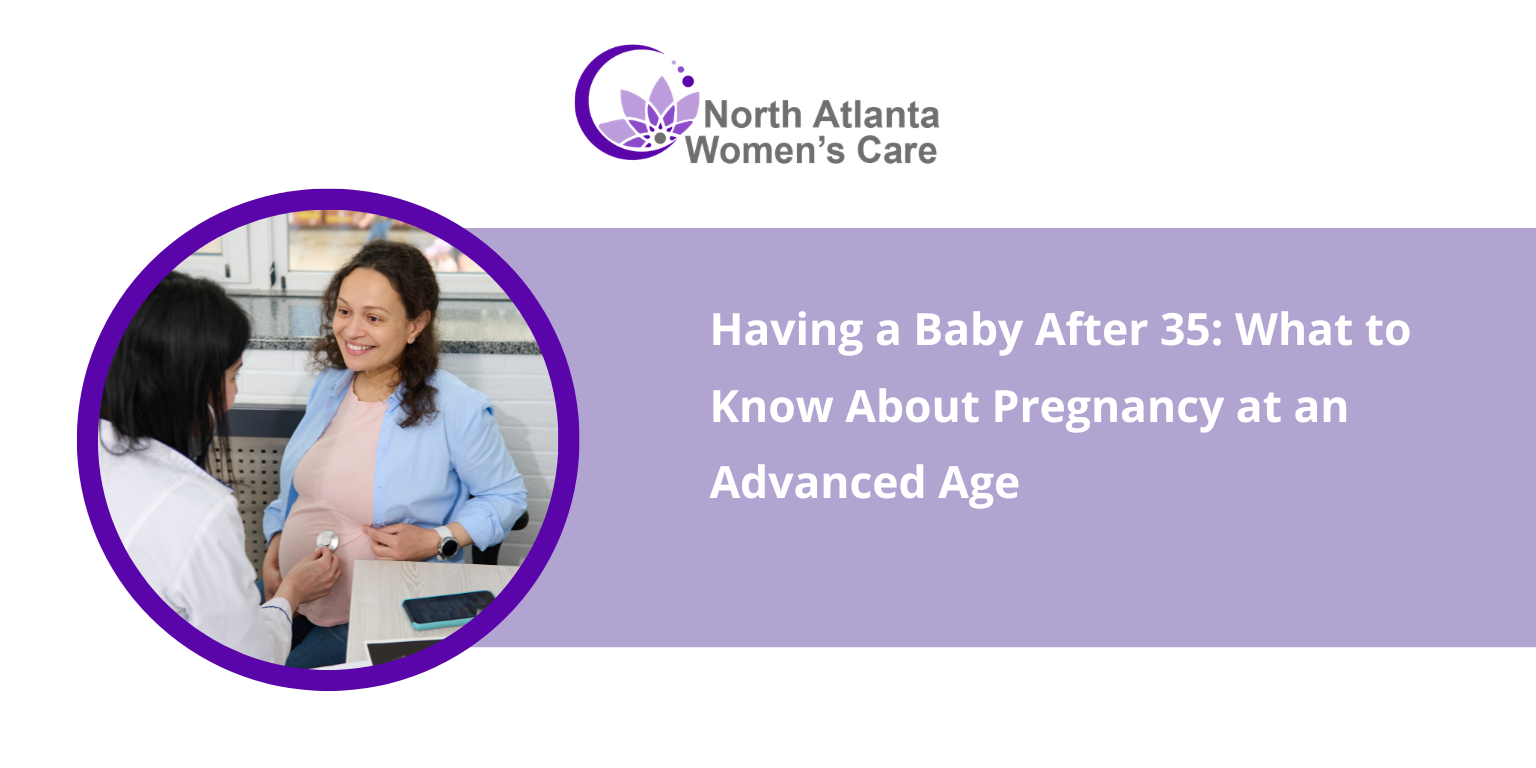
You glance at your chart during a routine appointment and see it: advanced maternal age. Maybe you are 35, or maybe you are 38 and just found out you are expecting your first child. Either way, that phrase can land with a jolt, even though nothing about your pregnancy has changed.
Age alone does not define how your pregnancy goes. Most women over 35 carry healthy pregnancies and deliver healthy babies. What shifts after 35 is mostly the kind of monitoring and support your care team offers, not a sudden change in your risk.
What "Advanced Maternal Age" Actually Means (and Why 35 Isn't a Cliff)
Advanced maternal age is simply the medical term for pregnancy at 35 or older at the time of delivery. Doctors chose 35 decades ago as the point where they start offering a few additional screening options, not because health drops off sharply at that birthday.
Think of it less as a cliff and more as a gentle slope that begins around then and continues gradually with each passing year.
You may have heard the older term "geriatric pregnancy" used to describe this. Most OB/GYNs and major medical organizations have moved away from that language, and for good reason: a number on an intake form does not describe your actual health, your fitness, or how your specific pregnancy will unfold.
Being labeled higher risk after 35 does not mean something will go wrong. It generally means your care team recommends closer monitoring throughout the pregnancy so that if something does need attention, it gets caught early rather than later.
The overwhelming majority of women in this age group go on to have healthy pregnancies and healthy babies, particularly with attentive prenatal care along the way.
Understanding the Real Risks of Pregnancy After 35
Every pregnancy carries some risk, and a few specific concerns become somewhat more likely after 35. None of these are guaranteed, and understanding them in plain terms tends to ease more anxiety than it creates.
- Chromosomal conditions. Egg quality declines gradually with age, which can raise the likelihood of chromosomal conditions such as Down syndrome. This is why genetic screening becomes a standard offering, not a red flag.
- Miscarriage. Miscarriage risk rises somewhat with age too, tied to the same egg-quality changes. Most pregnancies, even well into the late 30s and 40s, continue without this complication.
- Gestational diabetes. This temporary form of diabetes, which develops during pregnancy, becomes somewhat more common with age. It is manageable with monitoring and often resolves after delivery.
- High blood pressure and preeclampsia. Preeclampsia involves elevated blood pressure and signs of organ stress, and both are also somewhat more common. Regular prenatal visits are built around catching these changes early.
- Preterm birth and low birth weight. These occur slightly more often too, though most babies born to mothers over 35 arrive healthy.
- Cesarean delivery. Women over 35 are somewhat more likely to deliver by cesarean, often due to other factors on this list rather than age alone.
- Stillbirth. This risk is modestly higher after 35, though it remains uncommon. It is one reason closer monitoring becomes part of routine care.
These are shifts in probability, not predictions. Good prenatal care exists to catch these possibilities early, which is why consistent checkups matter more than the number on your chart.
Fertility, Conception, and the Extra Care You'll Receive
Fertility after 35 naturally shifts. Both the number and quality of eggs decline gradually over time, which can mean getting pregnant after 35 takes a bit longer than it might have in your twenties. Because of this, the general guidance around when to seek help changes too.
Where couples under 35 are often encouraged to try for a year before checking in, women 35 and older are typically advised to talk with a provider after around six months of trying. If that timeline has already passed for you, fertility evaluation and treatment can help, and reaching out sooner rather than later tends to open up more options.
The extra care you receive after 35 is worth reframing as a benefit rather than a burden. It often includes earlier or additional genetic screening, such as NIPT, along with a detailed ultrasound to check on your baby's development.
Your care team may also watch your blood pressure and blood sugar more closely throughout the pregnancy. A referral to a maternal-fetal medicine specialist only comes up when a specific concern arises, not as a routine step for every woman over 35.
How to Support a Healthy Pregnancy After 35
Age is one factor among several, and the areas you can influence often matter just as much. A few habits, started as early as possible, meaningfully support a healthier pregnancy at any age.
- Preconception counseling before you start trying, when your schedule allows it, gives your provider a chance to review your health history and address anything that could affect conception or early pregnancy.
- A daily prenatal vitamin with adequate folic acid supports your baby's early development and is worth starting before conception if you can.
- Managing your weight, blood pressure, and blood sugar before and during pregnancy lowers the likelihood of several of the concerns covered above.
- A nutrient-dense diet, rich in fruits, vegetables, whole grains, and lean protein, gives your body what it needs to support a growing baby.
- Safe, regular movement, with your provider's guidance, helps manage weight, mood, and blood sugar throughout pregnancy.
- Avoiding smoking and alcohol removes two of the more significant, and most controllable, risk factors for pregnancy complications at any age.
- Keeping every prenatal appointment, even when you feel completely well, is how your care team catches anything early enough to matter.
A Healthy Pregnancy After 35 Is Well Within Reach
Turning 35, or starting a family at 38 or 40, does not rewrite your pregnancy story on its own. The risks that do rise with age are real, but they are manageable, well understood, and exactly what attentive prenatal care is built to catch early.
Most women in this age group go on to have healthy pregnancies and healthy babies, and the extra monitoring you receive is there to support that outcome, not signal that something is wrong.
If you are pregnant or planning a pregnancy after 35, the team at North Atlanta Women's Care offers the personalized care and monitoring that supports a healthy outcome.
Request an appointment to get started.
FAQs
Can I have a healthy pregnancy and a vaginal birth at 38 or 40?
Yes, age alone is not a reason to plan for a cesarean, and many women in their late 30s and 40s deliver vaginally.
Does being over 35 mean I'll definitely need a C-section?
No, cesarean rates are somewhat higher after 35, but most women without other complications still deliver vaginally.
Is genetic testing required after 35, or just offered?
Genetic testing is offered after 35, not required, and the decision about which tests to pursue is always yours.
How is pregnancy after 40 different from pregnancy after 35?
The same concerns that begin around 35 continue to rise gradually after 40, so care often includes slightly more frequent monitoring.
Do I need a specialist, or can my regular OB/GYN manage my pregnancy?
Most pregnancies after 35 are managed comfortably by a regular OB/GYN, with a specialist referral only if a specific concern arises.

Be the first to post a comment
Leave a Reply Cancel reply