
How Can a Person Avoid Having a Sexually Transmitted Disease? Prevention Tips Every Woman Should Know
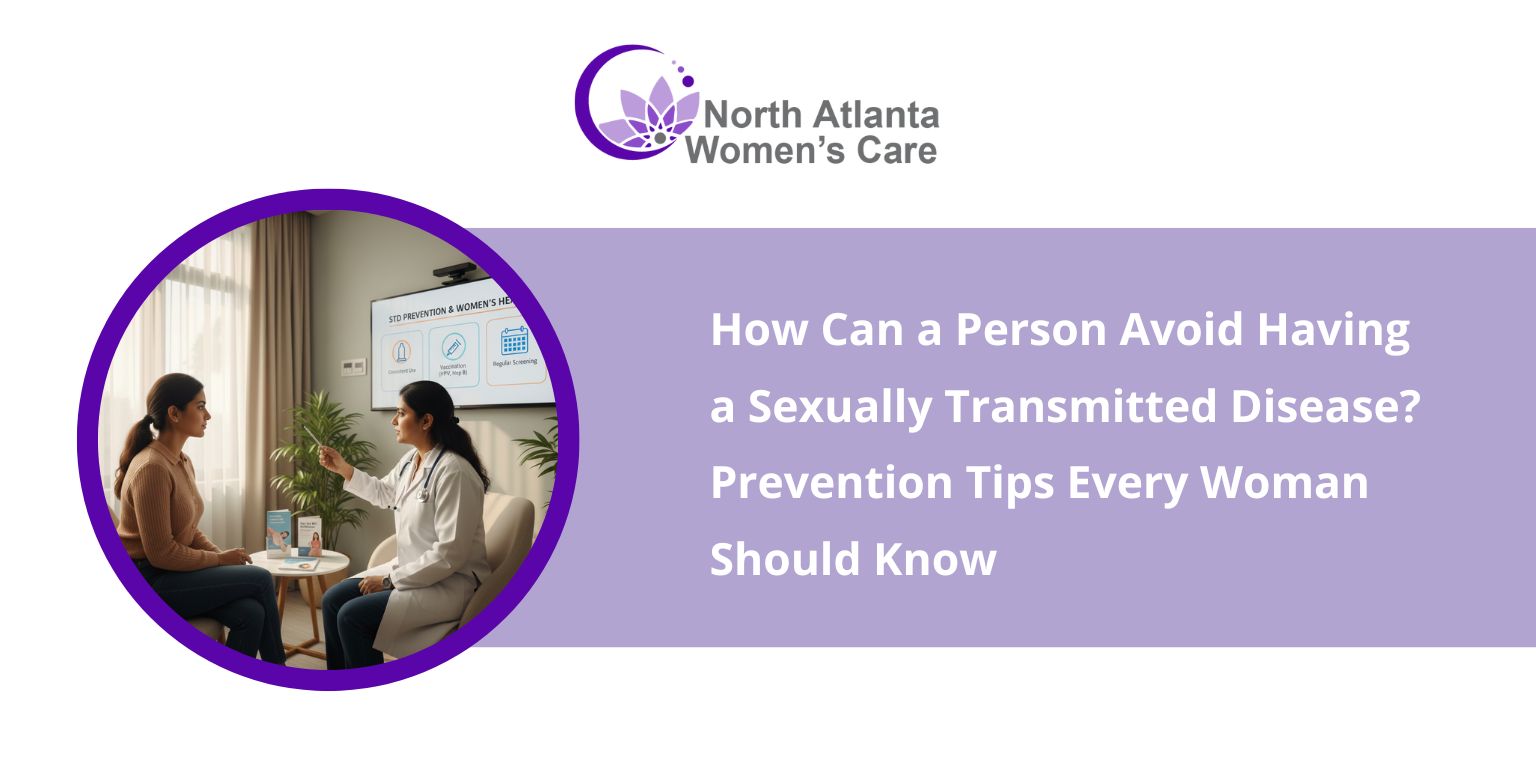
Sexual health is an important part of overall wellness, yet questions about sexually transmitted diseases are often difficult to bring up. Many women quietly wonder how can a person avoid having a sexually transmitted disease, especially as relationships, life stages, and health needs change over time. These concerns are normal, and seeking accurate information is one of the most responsible steps you can take for your health.
How Can a Person Avoid Having a Sexually Transmitted Disease?
Avoiding sexually transmitted diseases involves a combination of safer sex practices, informed decision-making, and preventive healthcare. No single method offers complete protection, but using multiple strategies together significantly reduces risk.
Key ways to help prevent STDs include:
- Practicing safer sex consistently
- Using condoms and barrier methods correctly
- Getting tested regularly, even without symptoms
- Limiting exposure risk through informed sexual choices
- Receiving recommended vaccinations
How to Prevent Getting an STD Through Safer Sex Practices
There some tips you should keep in check:
Use Protection Every Time
Barrier protection remains one of the most effective ways to reduce the spread of sexually transmitted diseases. Condoms, when used correctly and consistently, help lower the risk of many STDs.
Common barrier methods:
- External condoms
- Internal condoms
- Dental dams for oral sex
Communicate Openly With Sexual Partners
Honest communication is an essential part of STD prevention. Talking openly with sexual partners about testing history and sexual health creates shared responsibility.
Important topics to discuss:
- Recent STD testing and results
- Expectations for protection
- Mutual prevention strategies
How to Be Safe From STDs at Every Life Stage
Sexual health needs change throughout life. STD prevention looks different depending on age, relationship status, and health goals.
Teens and Young Adults
Younger women often face higher exposure risk due to new sexual experiences and limited access to preventive care. Education, vaccination, and routine testing are especially important during this stage.
Learning how to use protection correctly and understanding consent help build lifelong healthy habits.
Women in Long-Term Relationships
Women in Long-Term Relationships
Many women assume STD risk disappears in long-term or monogamous relationships. While trust is important, risk can still exist, especially if testing has not occurred before becoming exclusive.
Learning Regular check-ups and open communication help maintain sexual health even in committed relationships.
Pregnancy and Postpartum Considerations
STD testing is an important part of prenatal care. Some sexually transmitted infections can affect pregnancy or be passed to a baby if untreated.
Routine screening during pregnancy helps protect both maternal and fetal health. Postpartum care also provides an opportunity to discuss ongoing prevention and sexual health changes after delivery.
Perimenopause and Menopause Sexual Health
STD prevention remains important later in life. Hormonal changes during perimenopause and menopause can increase vulnerability to infection due to changes in vaginal tissue.
Barrier protection and regular women’s wellness exams continue to play a role in maintaining sexual health at this stage.
Can Sexually Transmitted Diseases Be Eliminated Completely?
Many people search for ways to eliminate sexually transmitted diseases completely. While this is understandable, it is important to clarify this misconception.
Some STDs are curable, such as:
- Chlamydia
- Gonorrhea
- Syphilis
Others are manageable, not curable, such as:
- HIV
- Herpes
- HPV
When Should You Get Tested for STDs?
STD testing should not be limited to when symptoms appear. Many infections remain silent for long periods.
Testing is recommended:
- When symptoms such as unusual discharge, pain, or irritation occur
- During pregnancy
- After a new sexual partner
- As part of routine preventive care, even without symptoms
Conclusion
Protecting yourself from sexually transmitted diseases is not about perfection. It is about awareness, informed choices, and consistent care. Understanding how infections spread, using protection, communicating openly with partners, and getting tested when recommended all work together to reduce risk. These steps support not only sexual health, but overall wellness at every stage of life.
STD prevention is an ongoing process, not a one-time decision. Regular women’s wellness exams provide a safe space to ask questions, receive appropriate testing, and stay informed as your body and health needs change. With the right knowledge and support, women can take an active role in protecting their health and feel confident in the care they receive.
Take the Next Step in Protecting Your Sexual Health
Women’s wellness exams are an important part of preventive care and include opportunities for STD testing, education, and personalized guidance based on your health needs. At North Atlanta Women’s Care, providers create a comfortable, confidential environment where you can discuss sexual health concerns openly and receive appropriate screening and support.
Schedule an appointment today to stay informed, proactive, and supported in your ongoing health.
Frequently Asked Questions
1. Can you have an STD without symptoms?
Yes. Many STDs do not cause symptoms, especially in women. This is why routine testing is important.
2. Are condoms 100 percent effective?
No method offers complete protection, but condoms significantly reduce the risk of many STDs when used correctly and consistently.
3. Do monogamous relationships eliminate STD risk?
Not entirely. Testing before becoming exclusive and ongoing communication are important for reducing risk.
4. How often should women get STD tests?
Frequency depends on age, sexual activity, and risk factors. Many women benefit from testing as part of their annual wellness exam.

Be the first to post a comment
Leave a Reply Cancel reply