
Dealing With Work Stress While Pregnant: Managing Job Pressure During Pregnancy
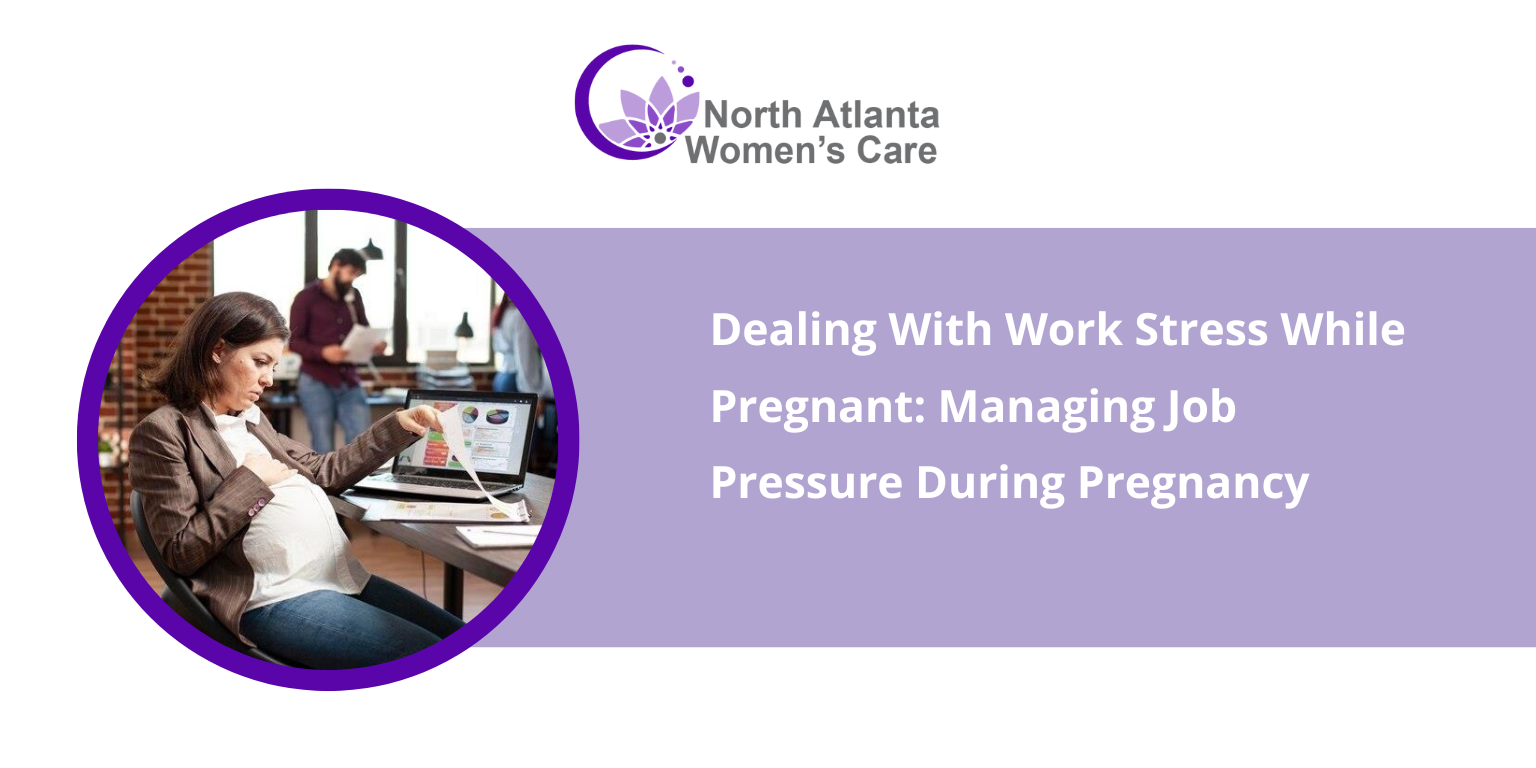
Pregnancy is a time of significant physical and emotional change, and balancing those changes with work responsibilities can feel challenging. Many expecting parents continue working throughout pregnancy while managing deadlines, meetings, and daily demands. It is common to feel stressed while trying to meet job expectations and take care of personal health at the same time.
Work stress during pregnancy is a shared experience for many people. While some stress is a normal part of daily life, ongoing or intense stress deserves attention. Managing stress during pregnancy supports both maternal wellness and healthy fetal development. With the right strategies and support, job-related pressure can be addressed in a safe and effective way.
How Work Stress Can Affect Pregnancy
Stress triggers physical responses in the body, including changes in heart rate, muscle tension, and hormone levels. During pregnancy, these responses may feel more noticeable due to the body’s natural adjustments. Occasional stress is expected, but ongoing work-related stress can place additional strain on the body over time.
The difference between short-term stress and chronic stress matters. Brief stress related to a deadline or meeting usually resolves quickly. Chronic stress occurs when job pressure continues without relief. Prolonged stress can affect sleep, energy levels, and emotional balance, which is why it should not be ignored during pregnancy.
Common Sources of Work Stress During Pregnancy
Work stress can come from many directions, and pregnancy may amplify existing challenges. Heavy workloads and long hours can feel more exhausting as energy levels fluctuate. Physically demanding jobs may increase discomfort and fatigue as pregnancy progresses.
Concerns about job security, performance expectations, or workplace changes can also contribute to stress. Many expecting parents find it difficult to balance prenatal appointments with work schedules, especially when flexibility is limited. A lack of workplace accommodations or understanding can further increase pressure during pregnancy.
Signs That Work Stress May Be Too Much
The body often signals when stress levels are becoming overwhelming. Persistent fatigue that does not improve with rest may indicate that stress is taking a toll. Trouble sleeping, even when physically tired, is another common sign.
Other symptoms may include frequent headaches, muscle tension, digestive discomfort, or increased irritability. Difficulty concentrating or feeling emotionally overwhelmed can also suggest that stress levels are higher than usual. Paying attention to these signs allows for earlier adjustments and support.
Why Managing Stress During Pregnancy Is Important
Managing stress during pregnancy supports overall physical health. Lower stress levels are associated with healthier blood pressure patterns and better sleep quality. Stress management may also help reduce the risk of certain pregnancy-related complications when combined with regular prenatal care.
Emotional well-being is equally important. Addressing stress encourages healthier coping habits and supports a more balanced emotional state. Learning to manage stress during pregnancy can also build skills that remain useful during postpartum recovery and early parenthood.
Practical Ways to Deal With Stress While Pregnant
One helpful approach is setting realistic expectations at work. Adjusting workloads or timelines when possible can reduce unnecessary pressure. Taking regular breaks throughout the day to rest or move helps support circulation and mental clarity.
Breathing exercises and relaxation techniques can be practiced at work or at home. Even brief moments of focused breathing can help calm the nervous system. Prioritizing tasks and asking for help when needed can also reduce stress and prevent burnout.
Ways to Avoid Stress During Pregnancy at Work
Open communication with supervisors or human resources can be helpful. Discussing workload needs or temporary adjustments allows employers to better understand how to support pregnancy health. When possible, adjusting work schedules or responsibilities may ease physical and emotional strain.
Creating a comfortable workspace also makes a difference. Supportive seating, proper desk height, and regular movement can reduce physical discomfort. Avoiding overcommitment and limiting unnecessary overtime helps preserve energy for both work and prenatal health.
Balancing Work Responsibilities and Prenatal Health
Prenatal care appointments play an essential role in monitoring pregnancy health. Attending these visits consistently supports early identification of concerns and ongoing guidance. Planning workdays around energy levels can help manage fatigue more effectively.
Listening to your body is important during pregnancy. Resting when needed and adjusting activity levels supports overall well-being. Maintaining healthy routines for sleep, nutrition, and hydration also helps the body manage stress more efficiently.
When to Talk to Your OB-GYN About Work Stress
It is important to discuss work stress with your OB-GYN if it begins to interfere with daily functioning or sleep. Physical symptoms that worsen with work pressure should also be addressed. Emotional distress or anxiety that feels difficult to manage deserves professional guidance.
OB-GYNs can help assess how stress may be affecting pregnancy and provide recommendations tailored to individual needs. They may offer reassurance, coping strategies, or guidance on workplace adjustments when appropriate.
Conclusion
Work stress during pregnancy is common, and it can be managed with thoughtful planning and support. Recognizing stress early, making practical adjustments, and maintaining open communication can help reduce job-related pressure. Taking steps to manage stress supports both physical health and emotional well-being throughout pregnancy.
Schedule Prenatal Care With North Atlanta Women’s Care
If work stress is affecting your pregnancy, our providers at North Atlanta Women’s Care are here to help. Our team encourages open conversations about stress, work concerns, and overall wellness during prenatal visits.
Schedule an appointment with our experts and receive personalized guidance throughout your pregnancy.

Be the first to post a comment
Leave a Reply Cancel reply