
10 Foods to Avoid During Heavy Periods: What Not to Eat for Better Menstrual Health
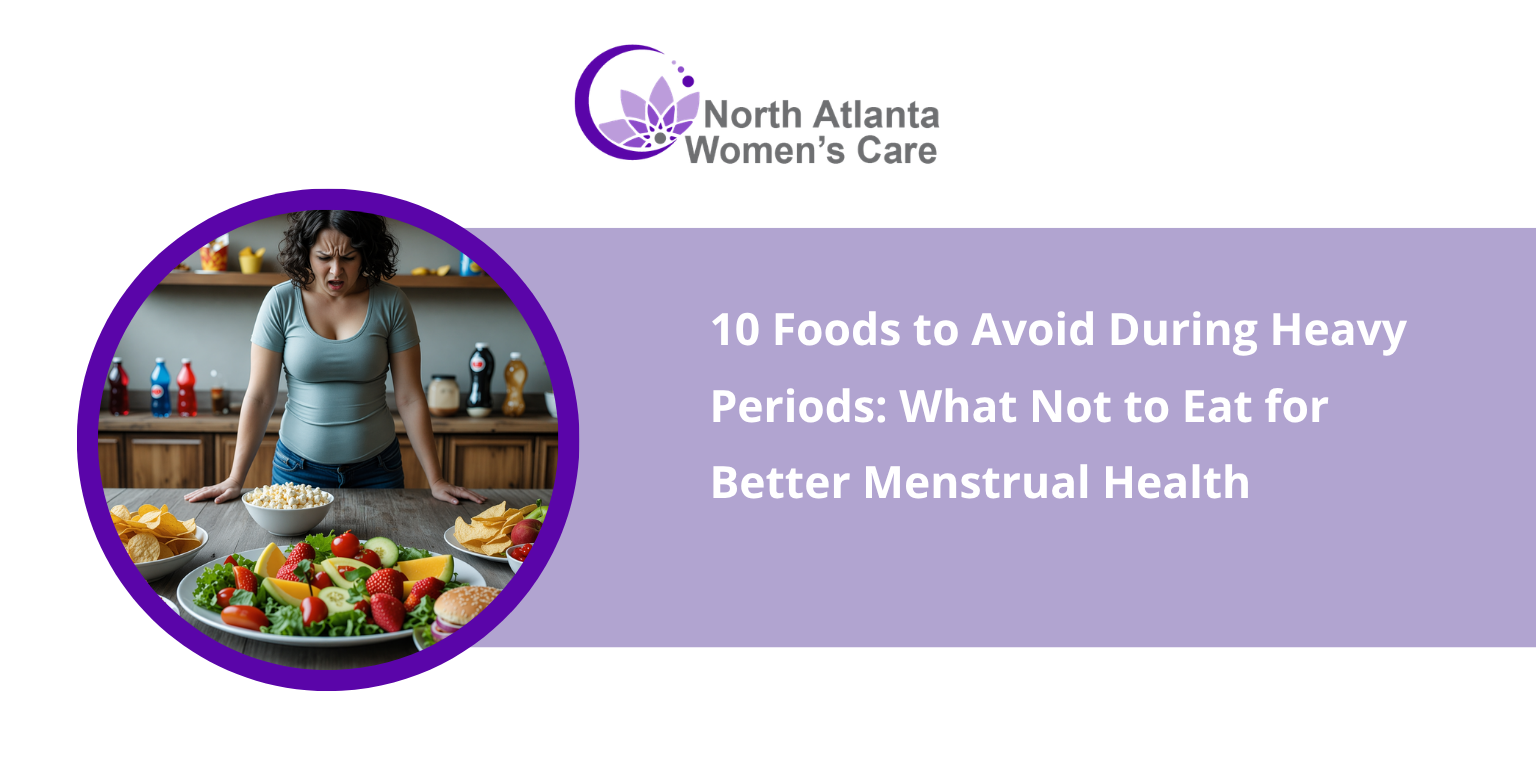
Heavy menstrual bleeding can affect more than just your physical comfort. It can interfere with daily activities, reduce energy levels, and impact overall well-being. Many individuals experience symptoms such as fatigue, cramps, bloating, and frequent need for menstrual products, which can make even simple tasks feel overwhelming.
While medical conditions such as hormonal imbalances or fibroids can contribute to heavy periods, lifestyle factors also play an important role. One of the most overlooked factors is diet. What you eat during your menstrual cycle can influence how your body responds, including the intensity of bleeding and discomfort.
Can Diet Affect Heavy Periods?
Your diet can influence how heavy your periods feel and how your body responds during your cycle.
Certain foods can impact:
- Hormone levels, especially estrogen, which regulates the menstrual cycle
- Inflammation, which can increase cramps and discomfort
- Blood flow and clotting, which may affect the intensity of bleeding
10 Foods to Avoid During Heavy Periods
Certain foods are known to worsen symptoms during heavy periods. Limiting these foods can help reduce discomfort and support better overall health during your cycle.
1. Processed and High-Salt Foods
Foods such as chips, canned soups, and fast food often contain high levels of sodium. Excess salt can cause water retention, leading to bloating and increased discomfort during your period.
2. Sugary Foods and Refined Carbohydrates
Desserts, pastries, white bread, and sugary drinks can cause rapid spikes in blood sugar. This may increase inflammation and worsen symptoms such as cramps and fatigue.
3. Caffeine (Coffee and Energy Drinks)
Caffeine can constrict blood vessels and stimulate the nervous system. This may increase feelings of anxiety and, in some cases, intensify cramps or discomfort during menstruation.
4. Alcohol
Alcohol can disrupt hormone balance and contribute to dehydration. This combination may worsen fatigue, increase bloating, and make menstrual symptoms more difficult to manage.
5. Red Meat (in Excess)
Red meat contains important nutrients like iron, but consuming it in large amounts may increase prostaglandin levels. These compounds are linked to stronger uterine contractions and can contribute to more intense cramps.
6. Dairy Products (for Some Individuals)
Milk, cheese, and other dairy products may increase inflammation in some individuals. This can lead to increased cramping and digestive discomfort, depending on individual sensitivity.
7. Fried and Oily Foods
Fried foods are high in unhealthy fats that can trigger inflammation in the body. This may worsen bloating, cramps, and general discomfort during your period.
8. Spicy Foods
Spicy foods can irritate the digestive system and increase symptoms such as bloating or stomach discomfort. This can make menstrual symptoms feel more intense.
9. Carbonated Drinks
Sodas and other fizzy beverages can increase gas and bloating. This can add to abdominal discomfort, especially during heavy periods.
10. Highly Processed Packaged Foods
Packaged snacks and ready-to-eat foods often contain additives, preservatives, and low nutritional value. These foods may increase inflammation and provide little support for your body during menstruation.
Diet for Heavy Periods: What to Avoid vs What to Include
Avoiding certain foods is only one part of managing heavy periods. Including the right nutrients in your diet is equally important.
Foods to Avoid
- Processed and high-sodium foods
- Sugary snacks and refined carbohydrates
- Excess caffeine and alcohol
- Fried and heavily processed foods
Foods to Include
- Iron-rich foods such as spinach, lentils, and beans to help maintain energy levels
- Anti-inflammatory foods like berries, nuts, and omega-3-rich options such as salmon
- Whole grains for sustained energy
- Hydrating options such as water, coconut water, and herbal teas
The Role of Nutrition in Supporting Menstrual Health
Your body requires a steady supply of nutrients to function properly, especially during your menstrual cycle. When you lose blood during your period, your body also loses iron and other essential nutrients. If these are not replenished, it can lead to fatigue and weakness.
Iron is particularly important for individuals with heavy periods. Including iron-rich foods can help reduce the risk of anemia and support better energy levels. Pairing these foods with vitamin C-rich options such as citrus fruits can improve iron absorption.
In addition, foods rich in magnesium and omega-3 fatty acids may help reduce inflammation and support muscle relaxation. This can help ease cramps and improve overall comfort during your cycle.
Additional Tips to Manage Heavy Periods
In addition to dietary adjustments, adopting healthy habits can help you better manage symptoms:
- Maintain balanced meals throughout the day to avoid blood sugar fluctuations
- Limit caffeine and sugar intake, especially during your period
- Stay hydrated to support circulation and reduce bloating
- Get adequate rest to help your body recover
- Track your symptoms and identify patterns related to diet and lifestyle
These small changes can have a cumulative effect and help improve how you feel during your cycle.
When to See a Doctor
While dietary changes can help manage symptoms, heavy menstrual bleeding may sometimes indicate an underlying medical condition that requires evaluation.
You should consider seeking medical attention if you experience:
- Soaking through pads or tampons every hour
- Periods that last longer than 7 days
- Severe fatigue or signs of anemia
- Large blood clots or persistent pelvic pain
Don’t Ignore Heavy Periods. Find the Right Care with NAWC
Diet plays an important role in managing heavy periods, but it is only one part of a comprehensive approach to menstrual health. Avoiding foods that increase inflammation, disrupt hormones, or worsen discomfort can help you feel more in control during your cycle. At the same time, focusing on nutrient-rich foods supports your body’s overall function and recovery.
However, if your symptoms are persistent or severe, it is important to look beyond diet alone. Heavy periods may be a sign of an underlying health condition that requires professional care.
If you are experiencing heavy menstrual bleeding or have concerns about your menstrual health, the team atNorth Atlanta Women’s Care (NAWC) is here to help. Schedule a consultation today and take the first step toward better menstrual health and personalized care.

Be the first to post a comment
Leave a Reply Cancel reply